Preventing Pet Allergies in Northern Georgia’s Humid Summer
Preventing Pet Allergies in Northern Georgia’s Humid Summer
Summertime in Northern Georgia is a beautiful season for enjoying the outdoors, but it also brings a unique challenge for local pet owners—humidity-driven pet allergies. If your dog or cat has started itching, sneezing, or licking their paws more often as the temperatures rise, you are not alone. Many pets experience a sudden increase in allergy symptoms as humidity climbs and pollen, mold, and other environmental allergens become more prevalent. At Express Vets, our team of veterinarians understands how the local climate directly impacts your pet’s skin and respiratory health. We are dedicated to helping pet owners in Northern Georgia and surrounding communities keep their companions comfortable and healthy all summer long. In this guide, we will explore how humid weather triggers pet allergies, key symptoms to watch for, practical prevention strategies, and how our allergy testing services can help you get answers when your pet is suffering.
Recognizing Pet Allergy Symptoms During Humid Northern Georgia Summers
It is often easy to miss the early signs of seasonal allergies in pets, since symptoms can be subtle at first. However, the sooner you notice these issues, the sooner you can take steps to prevent discomfort from escalating. Pet allergy symptoms in the summer commonly include frequent scratching or licking, which is especially noticeable at the paws, belly, ears, and face. You may see red, irritated skin, hair loss in patches, or the development of hot spots—areas where the skin becomes moist, inflamed, and sometimes infected. Persistent sneezing, watery eyes, or nasal discharge are also signs that your pet’s immune system is reacting to something in the environment. In cats, allergy symptoms may show up as overgrooming, leading to bald spots or scabs, or as increased sneezing and eye discharge. Dogs may shake their heads or scratch at their ears more often, which can signal ear inflammation caused by allergies. If you notice any of these changes, especially during the humid months, it is important to keep track of when symptoms worsen and whether they seem linked to time spent outdoors or specific activities.
Why Humidity Worsens Pet Allergies in Northern Georgia
Northern Georgia’s lush landscapes and warm, damp summers create the perfect conditions for environmental allergens to thrive. High humidity allows pollen grains, mold spores, and dust mites to remain airborne and stick to your pet’s fur and skin more easily. When grass and tree pollen levels spike in June and July, pets who spend time outside are exposed to large amounts of these allergens. Mold growth also accelerates in humid weather, affecting both outdoor environments and indoor spaces with poor ventilation. Additionally, flea populations tend to surge in warm, moist conditions, and some pets develop severe allergic reactions to flea saliva. Unlike humans, who often experience respiratory symptoms, many dogs and cats react to allergens with skin problems. Their immune systems interpret harmless particles as threats, triggering inflammation, itchiness, and other allergy symptoms. Certain breeds, such as West Highland White Terriers, French Bulldogs, and Siamese cats, are genetically more prone to allergies, but any pet can be affected by the region’s climate. Even pets who have never shown allergy symptoms before may develop them as humidity and allergen exposure increase in summer.
How Express Vets Diagnoses and Treats Seasonal Pet Allergies
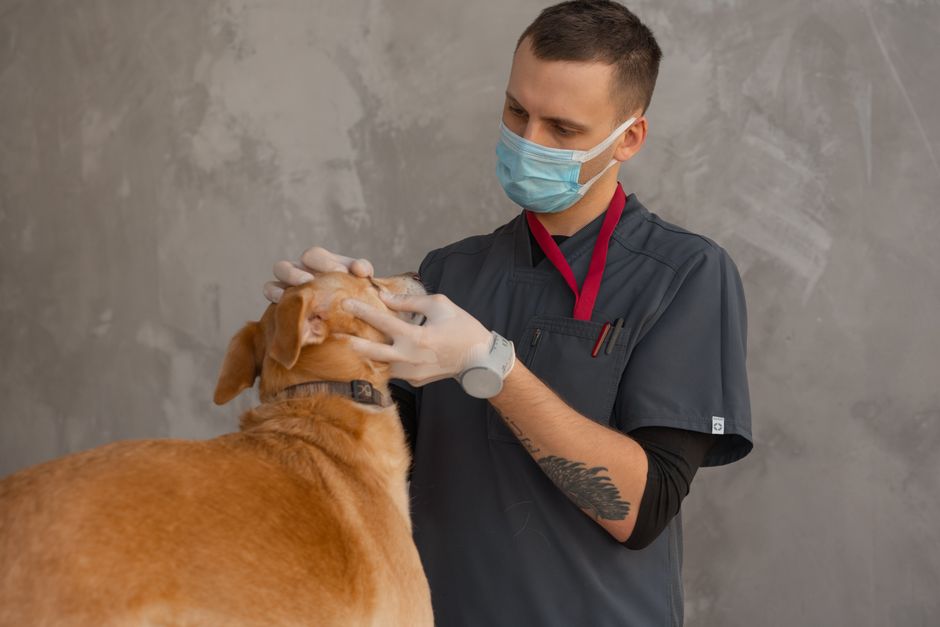
When your pet’s scratching or sneezing becomes persistent, it is time to schedule a veterinary appointment. At Express Vets in Northern Georgia, our veterinary team uses a thorough approach to allergy diagnosis that begins with a detailed medical history and a comprehensive physical exam. We will ask about your pet’s environment, diet, and any recent changes in routine or symptoms. Diagnostic options may include skin scrapings, cytology (examining skin cells under a microscope), and in some cases, blood or intradermal allergy testing to pinpoint specific allergens. Our allergy testing services are designed to help pet owners understand what is triggering their pet’s discomfort so we can recommend the most effective treatment plan.
Treatment strategies for pet allergies often involve a combination of approaches. Prescription or medicated shampoos may be recommended to remove allergens from the coat and soothe inflamed skin. For pets with more severe symptoms, antihistamines, corticosteroids, or newer medications like oclacitinib may provide relief, but these are always used under veterinary supervision. If a secondary skin infection is present, antibiotics or antifungal medications may be needed. In some cases, immunotherapy (allergy shots or oral drops) can help desensitize your pet to the specific allergens causing problems. Our team also provides guidance on managing environmental triggers and can refer to our dermatology specialists if advanced care is needed.
Preventing Allergic Reactions at Home During Humid Weather
While veterinary care is essential for diagnosing and treating allergies, there are many steps pet owners can take at home to minimize exposure and keep pets comfortable. Regular bathing with a gentle, hypoallergenic pet shampoo helps remove pollen, mold spores, and dust mites from your pet’s coat. Wiping your dog’s paws and belly with a damp cloth after walks can also reduce the amount of allergens brought indoors. Keeping windows closed during peak pollen times, using air purifiers, and vacuuming frequently with a HEPA-filter vacuum all contribute to a cleaner indoor environment. For cats, providing clean bedding and ensuring litter boxes are kept dry can help limit exposure to dust and mold. Washing pet beds, toys, and blankets in hot water removes allergens and reduces the risk of skin flare-ups. Additionally, maintaining year-round parasite prevention is vital, since flea allergies can mimic or worsen seasonal allergy symptoms. If your pet is already on a prescription diet or specialty food for allergies, continue following your veterinarian’s advice without changes unless otherwise directed.
When to Seek Veterinary Help for Your Pet’s Allergy Symptoms
It is normal for pets to itch occasionally, but persistent scratching, biting, or licking that interferes with daily life signals a need for professional help. If you notice your dog or cat developing red, swollen, or bleeding skin, patches of hair loss, or recurring ear infections, these are signs that allergies may be out of control. Likewise, if your pet’s symptoms do not improve with home care, or if they seem to worsen as the humidity rises, a veterinary evaluation is necessary. Allergies can sometimes lead to more serious health issues, such as skin infections or chronic discomfort, so early intervention is key. Our experienced veterinary team at Express Vets is here to help you determine the cause of your pet’s symptoms and develop a customized treatment plan. For routine pet examinations near me, our clinics offer comprehensive wellness checks to catch potential issues early, including screening for allergies and skin problems. If you are ever unsure whether your pet’s symptoms require urgent care, do not hesitate to contact us for guidance.
Supporting Your Pet’s Health Through Northern Georgia’s Allergy Season
Navigating pet allergies during a humid Northern Georgia summer can feel overwhelming, but you do not have to manage it alone. By recognizing early signs of discomfort, understanding how humidity influences allergy flare-ups, and partnering with a trusted veterinary team, you can help your dog or cat enjoy the season with minimal symptoms. Prevention and prompt treatment make a world of difference; whether your pet needs a tailored allergy management plan, guidance on environmental controls, or a thorough wellness examination, Express Vets is your local resource for compassionate, expert care.
If you are searching for a reliable veterinarian near me during allergy season, reach out to our team for support. Schedule an appointment with our experienced veterinary professionals by calling (678) 397-7377 or visiting us in Northern Georgia. We are committed to helping you and your pets thrive, no matter how humid the summer gets. For more information about our services or to book your next visit, explore our website at expressvets.com or stop by our convenient Northern Georgia location. Your pet’s comfort and health are always our top priorities.